Blast Furnace Process in Jai Raj Plant
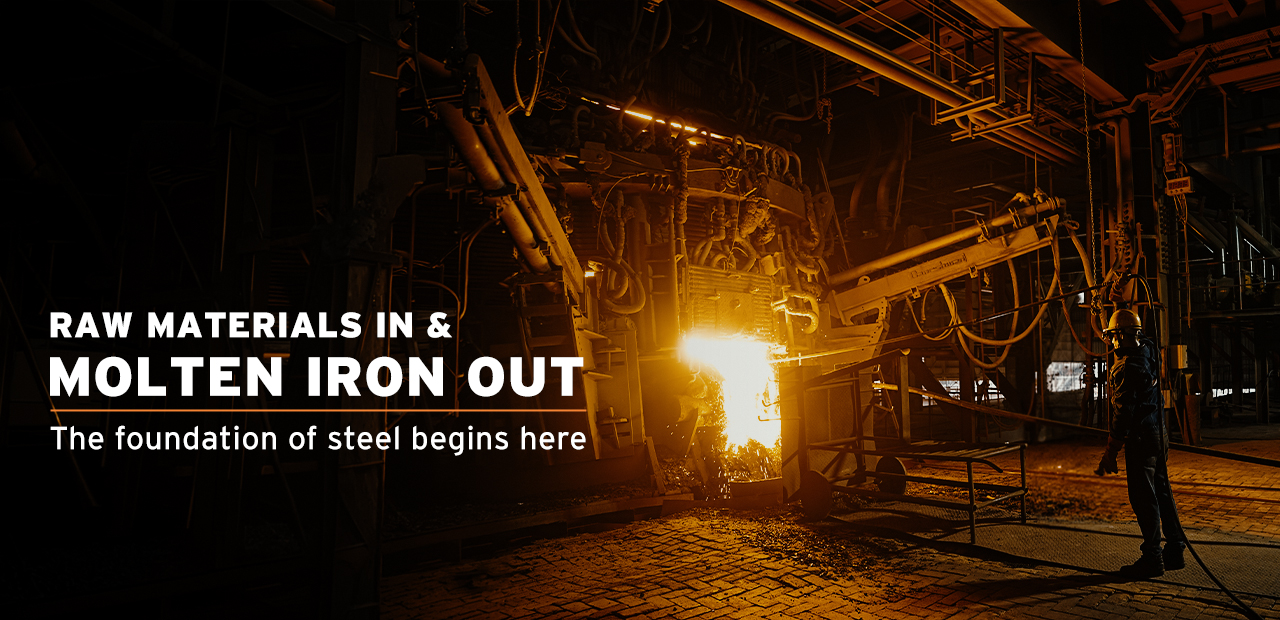
The blast furnace process remains the fundamental and most widely used technique for iron production globally. This continuous, high-temperature operation is central to a modern steel plant, efficiently transforming raw materials into molten iron, known as pig iron. The resultant pig iron then serves as the essential feedstock for subsequent steel manufacturing.
As the basis for blast furnace steel, this reliable and high-quality output is vital for infrastructure, construction, and engineering projects worldwide. The process itself is a testament to engineering for precision, consistency, and scale, forming the core of every high-performance steel operation.
What is a Blast Furnace?
A blast furnace is a vertical, high-capacity reactor designed to extract iron from its ore through controlled chemical reduction.
It operates on a simple but powerful combination:
- Iron ore as the source
- Coke as fuel and reducing agent
- Limestone as the purifying flux
What defines modern efficiency is the hot blast furnace system—where preheated air is injected into the furnace to intensify combustion, reduce energy consumption, and improve output consistency.
Components of a Blast Furnance
Charging System
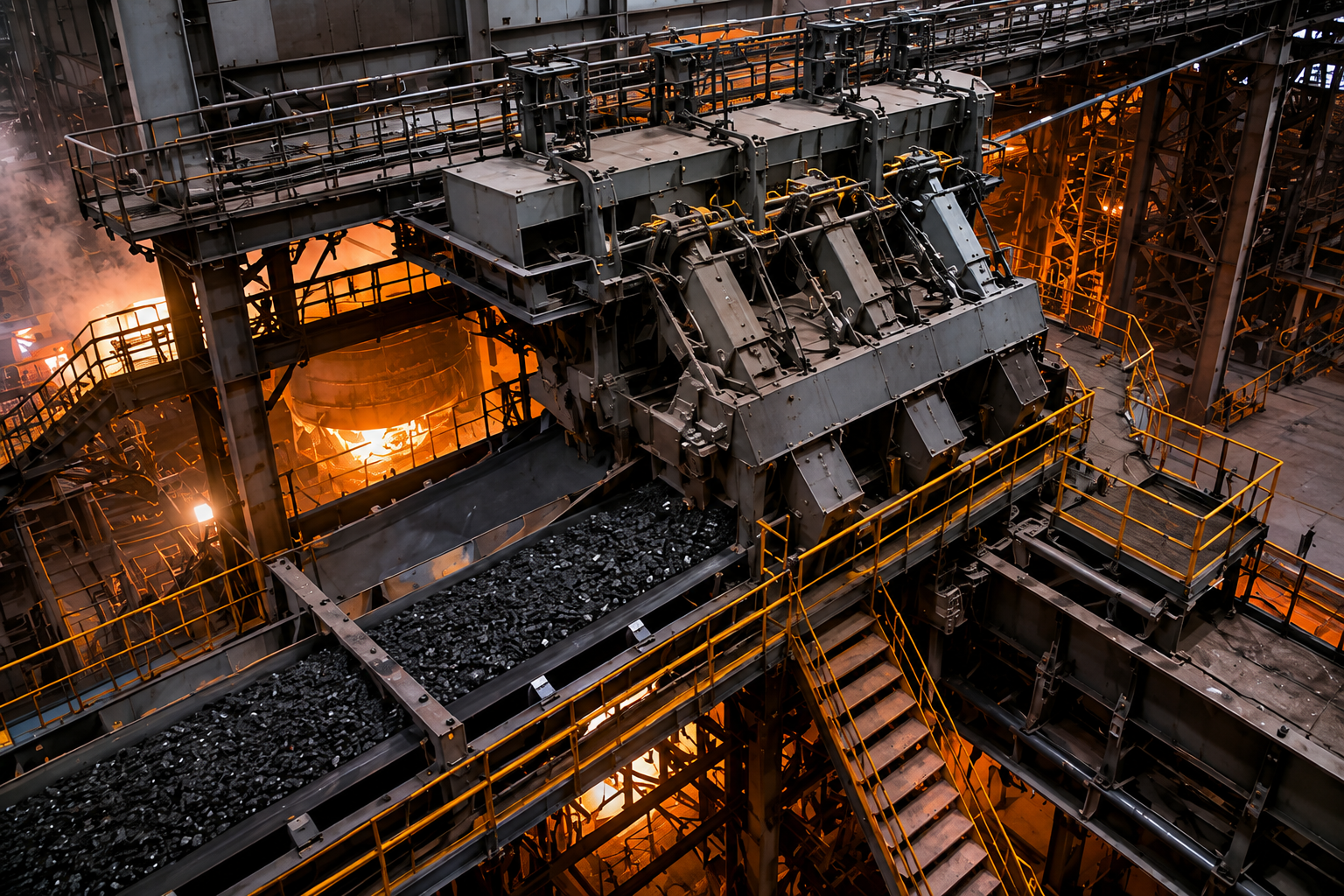
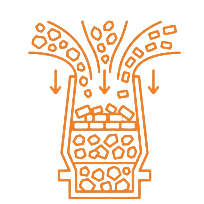
This is the automated mechanism at the top that ensures a continuous and measured supply of raw materials—iron ore, coke, and limestone—is fed into the furnace, maintaining uninterrupted production.
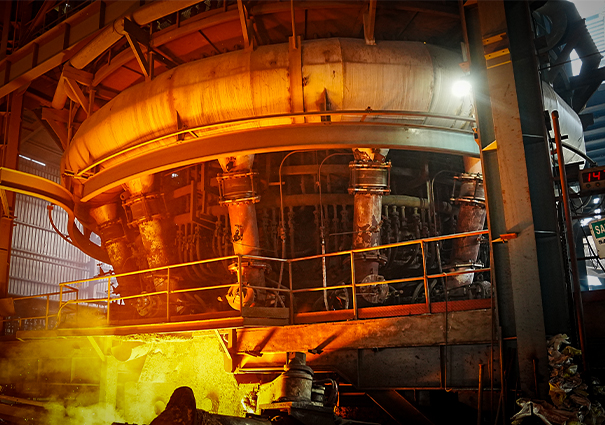
Furnace Stack
The tall, upper body of the furnace, where the layered raw materials descend and undergo initial heating and chemical changes.
Tuyeres and Hot Blast System
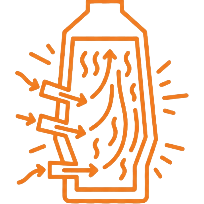
This critical setup features strategically positioned nozzles (tuyeres) that inject intensely preheated air into the furnace. This hot blast furnace process is what drives the high-temperature reactions essential for smelting.
Hearth and Tap Hole
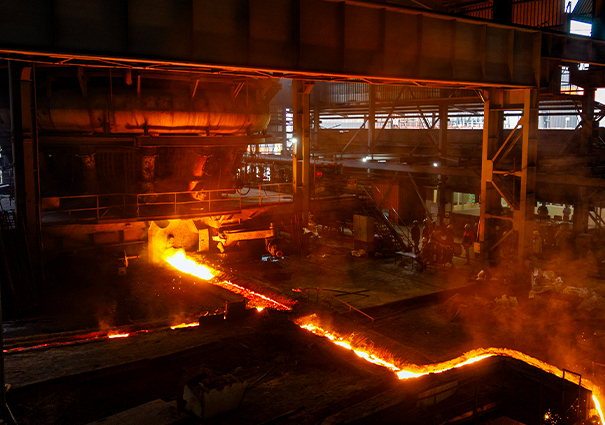
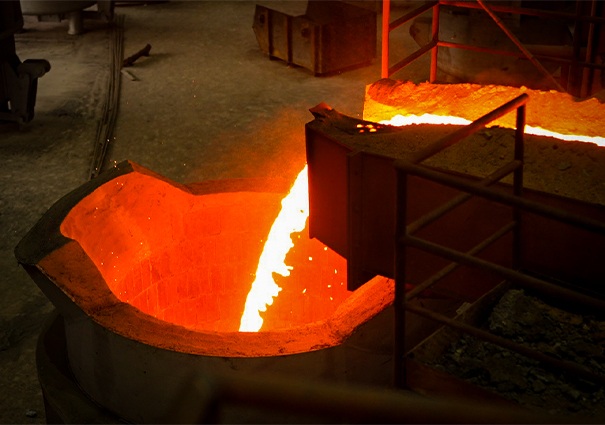
Located at the very bottom, the hearth is the collection point where the final products—molten iron and slag—accumulate before being periodically drawn out through the tap hole.
Charging
Hot Blast Injection
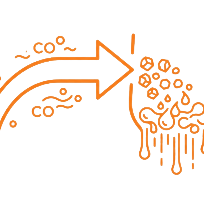
Reduction
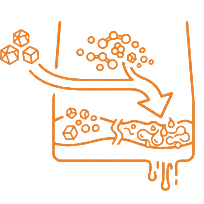
Slag Formation
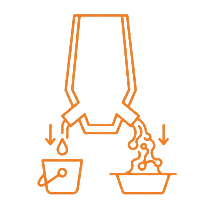
Tapping
The Continuous Cycle
A Step-by-Step Guide to the Blast Furnance Process
The blast furnace process for iron production operates as a highly efficient, continuous cycle.
Hot Blast Furnace vs Cold Blast Furnace
The transition to the hot blast furnace marked a significant leap in steelmaking efficiency.
- Preheated air improves fuel efficiency
- Lower coke consumption
- Higher productivity and stable output
Cold blast systems, which rely on unheated air, are no longer viable for modern blast furnace in steel plant operations.
Industrial Blast Furnace Applications
The industrial blast furnace remains indispensable across the steel value chain:
- Production of pig iron for steelmaking
- Manufacturing of alloy-grade steels
- Supply of iron for foundry applications
Every blast furnace in the steel industry is designed to deliver scale without compromising quality.
Advantages of Blast Furnace in Steel Industry
The strength of the blast furnace in steel industry lies in its ability to deliver both volume and consistency:
- Continuous, large-scale production
- Uniform chemical composition
- High thermal efficiency
- Reliable supply of steel-grade pig iron
This makes it the preferred system for infrastructure-driven economies and high-demand steel markets.
Related Processes and Products
Explore more from the steel manufacturing ecosystem:
- Pig Iron Manufacturing
- Sponge Iron / Direct Reduced Iron
- Mid Steel Bar
- Steel Production Processes
- TMT Bars & Steel Billets
Common Questions About Blast Furnace Process
What is the role of coke in a blast furnace?
How does the hot blast furnace improve efficiency?
By using preheated air, it enhances combustion and reduces overall fuel consumption.
What are the main products of a blast furnace?
Pig iron and slag.
How does slag form in the blast furnace process?
Limestone reacts with impurities, separating them from molten iron as slag.
What is the difference between blast furnace steel and direct reduced iron?
Blast furnace steel is produced from molten iron, while direct reduced iron is created through solid-state reduction without melting.