The durability of buildings relies heavily on the quality of steel involved. Therefore, TMT bar manufacturers in India follow strict methods, utilising modern metal science alongside eco-friendly approaches. Starting from collecting basic ingredients to melting them down and checking the result, each stage shapes how strong the material stands up when stressed.
The role of raw material quality
Good products start with top-quality ingredients. When it comes to steel, picking the correct iron ore matters – also what’s mixed into it. The purity of the metal – and the elements that make it up – affects how much stress it can withstand before bending without breaking. That’s why crude iron suppliers in India matter so much. They maintain the chemical composition stability, eliminating unwanted substances that material factories rely on.
Top-quality iron, when combined with precise levels of carbon and manganese, along with various alloys, creates the ideal starting point for producing TMT bars. A slight flaw in these inputs may reduce strength or lead to problems during metal shaping. That’s why makers rely on verified, dependable sources – to ensure every batch remains consistent.
Precision through the blast furnace process
The heart of making steel is the blast furnace process. Inside, basic ingredients transform into hot liquid metal that meets tough industry standards. Heat reaches over 1500°C, allowing iron ore to mix with coke and limestone, which creates molten iron.
As it moves along, elements like sulphur and phosphorus are removed, which helps the metal become stronger and more stretchable. After that, the hot liquid undergoes another cleanup step, where adding exact mix-ins helps maintain steady performance across batches. If handled correctly, this part lays the foundation for steel that won’t crack under pressure yet still bends when needed—the kind of steel that buildings today rely on.
The importance of controlled rolling and quenching
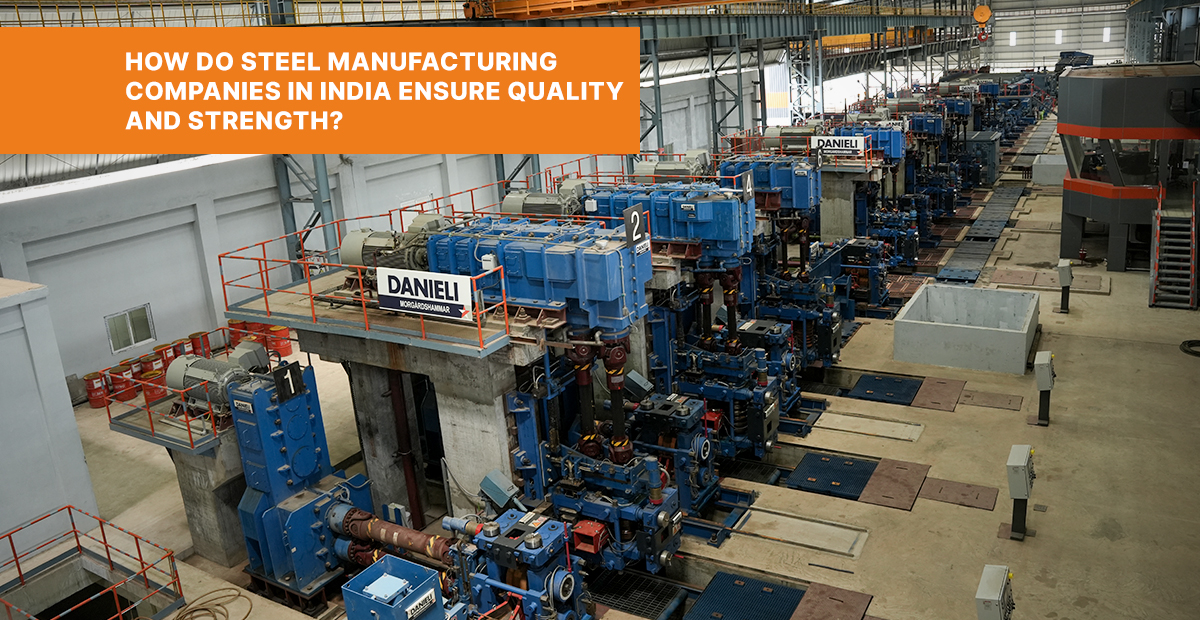
Once refined, raw steel gets squeezed into bars using heavy rollers. The steps that follow decide how tough the metal turns out. Rolling it just right aligns its inner fibres, making it stronger and smoother on the outside.
Right after being rolled, the bars get hit with water sprays – this method’s called quenching. Due to this managed cool-down, they form a hard shell while maintaining a flexible inner section. What you end up with is Fe 550D TMT bars, famous for their strong build and stretch ability.
These bars get picked for tall buildings or bridges when holding heavy loads really matters. Because they’re strong yet still lightweight, people use them where staying safe won’t break the bank.
Advanced testing ensures consistent performance
Quality assurance continues after production. Every batch is rigorously tested to meet national and international standards. Tensile strength, bend and rebend tests, and chemical composition tests are conducted using modern equipment.
Automated testing finds even minor flaws. So, only defect-free bars reach the market. Indian TMT bar manufacturers in India often utilise third-party inspections to ensure reliability. These methods protect construction integrity and boost customer confidence in product quality.
Sustainable manufacturing practices
Modern steel manufacturing is moving towards greener and more efficient operations. Companies are adopting cleaner energy sources, recycling scrap metal, and minimizing water usage. By integrating automation and AI-driven monitoring, manufacturers can track energy efficiency in real-time and reduce carbon footprints.
Beyond environmental benefits, these measures improve process consistency. Automated temperature and flow controls prevent overheating and energy waste, ensuring that each TMT bar maintains its metallurgical properties. This aligns with the industry’s growing commitment to sustainability without compromising on performance.
The link between technology and strength
Nowadays, tech powers how steel gets made. New factories rely on gadgets that sense things, machines that move on their own, along with number-crunching tools to spot mistakes before they grow. Because of this foresight trick, people make fewer mistakes, while every pile of metal remains more consistent.
Use digital tracking tools – they detect shifts in heat or mix immediately, allowing workers to adjust settings promptly. Because of this quick reaction, each rod, made straight from liquid metal to its final form, retains steady toughness and bendability.
Fueled by increased digital use, warehouse automation software, along with intelligent process controls, now helps manage steel storage as well. Because of these upgrades, mistakes in moving goods are reduced while keeping finished metal safe and shipping it on time.
Collaboration across the supply chain
Good steel doesn’t come from one place alone. Instead, it relies on smooth teamwork across material providers, factory lines, and inspection crews. Strong connections with trusted TMT bar supplier networks ensure that inputs arrive on schedule, whereas steady contact between shipping handlers and plant operators reduces holdups or mix-ups.
Producers team up with builders and designers to gain insight into how materials are actually used. Because of this back-and-forth, they’re able to tweak old formulas and craft fresh types of metal that handle different weather and load demands.
Standards and certifications as quality benchmarks
Steel makers adhere to stringent local and international standards—such as BIS specifications or ISO guidelines—not just because they have to, but so that each rod, sheet, or roll meets the highest standards when it counts. These checks ensure that everything, from beams to strips, meets exact toughness and lifespan targets before leaving the plant.
Certifications give buyers confidence in quality, a key factor when selecting bars from the best TMT bar manufacturer in India. Meeting these rules means builders can trust the steel will last many years, thanks to solid performance. These approvals clarify matters across the sector, while reducing the risks associated with fake or low-grade metal.
Key takeaways for buyers and builders
Consider factors beyond price when selecting TMT bars for your project. Important aspects to consider:
- Certification and grade marking (e.g., Fe 550D TMT bars).
- Manufacturing process (blast furnace process or induction).
- Used reputable crude iron suppliers in India for raw materials.
- Verified tensile strength and elongation testing reports.
- Reputable TMT bar supplier for reliable service.
Informed steel purchasing ensures sturdy constructions, lower maintenance, and increased safety.
Final Thoughts
Steel manufacturing is a mix of smart thinking plus doing what’s right. Transforming clean iron into strong TMT rods requires focus, expertise, and fresh ideas from time to time. Firms in India continue to set global standards by closely monitoring quality while utilising technology, alongside eco-friendly initiatives.
Jai Raj Steel stands by its beliefs. We’re skilled at supplying steel that’s both tough and reliable. Thanks to fresh ideas and solid relationships with buyers, we are helping to build India, laying sturdy base after base. What matters most shows up in every beam we deliver.